
Isn’t it striking how every year World War II is commemorated, never to be repeated, while its impact on colonized populations remains overlooked and unspoken? Every life lost to war is a wound in our shared humanity. Whether in the trenches of Europe, the villages of Africa, or the mountains of Lebanon, the suffering is the same, mothers mourning, children going hungry and being orphaned and homes reduced to rubble.
When the British and Free French invaded Lebanon and Syria in June 1941 to fight the fascist French army, in what became known as the Syria-Lebanon Campaign, our land turned into a battlefield. Thousands of soldiers died on both sides, and historians estimate 6,000–7,000 casualties overall. Lebanese civilians, especially in Damour, Beirut, Zahle, and the mountain areas, were caught in the crossfire. Vichy and also Allied bombings and shelling destroyed homes and villages, caused countless civilian deaths, and displaced entire communities.
We were taught that the Allies came simply to “liberate” us from fascism. In reality, there were mass arrests, executions, and repression under both Vichy forces and later the Free French authorities. Economic hardship and famine returned: blockades and requisitions of food created shortages and soaring prices. Bread was rationed. Families in Mount Lebanon and the Bekaa once again faced hunger reminiscent of the Great Famine of World War I.
The local economy was distorted; foreign soldiers flooded the market with their own currencies, destabilizing the Lebanese pound, a condition that echoes to this day with the U.S. dollar dominating our economy.
Political repression and imprisonment were widespread. Lebanese nationalists calling for independence were censored, tortured, or exiled. Even after De Gaulle’s promise of independence, France continued to interfere, arresting Lebanon’s president, prime minister, and ministers in 1943, an act that provoked national strikes and uprisings. Protesters in November 1943 were beaten and shot by French troops.
Furthermore, the social and psychological toll was immense. The war deepened inequality: elites linked to the French mandate profited from smuggling and trade, while rural families sank into poverty. In WWII, many Lebanese men were conscripted to fight and die in Europe and North Africa under the French flag, rarely acknowledged and sadly never honored or recognized by proper veteran status.
And hovering over it all was the Balfour Declaration of 1917, the darkest of colonial legacies. Britain’s promise to establish a “national home for the Jewish people” in Palestine, while concurrently pledging independence to Arab leaders, opened the gates to a century of dispossession, violence, and grief. European Jews fleeing persecution were settled in a land already home to Arab Jews, and Arab Christians and Muslims who had lived together peacefully for centuries. The conflicting imperial promises sowed the seeds of tragedy across the region.
For Lebanon, the consequences were immediate and lasting. The 1948 Nakba brought waves of Palestinian refugees, reshaping our demography and politics. British and French rivalry, expressed through mandates and manipulation, kept Lebanon fragile even after independence and brought the bloody Israeli siege and occupation of Beirut in 1982 and the occupation of the South, until this day.
The West vowed never to allow war again on its own soil, yet continued to wage and sponsor wars elsewhere, exploiting the Global South’s resources while preaching human rights and democracy. The suffering of millions in the Arab world and in Africa has too often been met with silence. On remembrance day we must ask for justice, dignity and truth as remembering the most painful parts of history help us move toward healing and liberation.
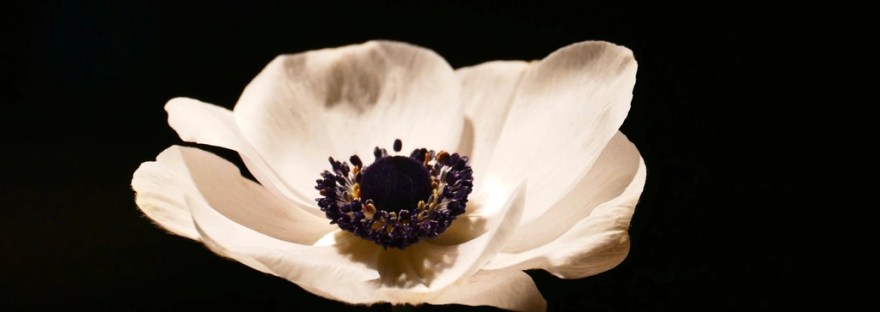
A White Poppy for Remembrance
This Remembrance Day, I will wear a white poppy, not to diminish remembrance, but to expand it.
To honor every man, woman, and child whose names were never spoken.
To call for an end to war, apartheid and colonization, everywhere and for everyone.
Discover more from A story of thoughts
Subscribe to get the latest posts sent to your email.

